The CAN Bill has been adjourned to 11 July. The provisions of the Climate and Nature Bill itself were - and are - the best path to climate resilience and nature recovery. DESNZ Secretary of State, Ed Miliband, said via a video (after the debate), he has promised to...
Living Alongside Bats in Churches Grant
The Bat Conservation Trust, the Church of England, Natural England, Churches Conservation Trust and Historic England have come together to offer places of worship in England the opportunity to apply for the new Living Alongside Bats in Churches Grant Fund. This is a...
ECO CHURCH NEWS No. 156 – Support the Climate and Nature Bill
This is a golden opportunity - the Bill is the only proposed legislation before the UK Parliament that ensures a comprehensive and joined-up approach to the climate emergency and nature crisis. The Climate and Nature Bill heads for its Second Reading on 24 January...
ECO Church News No. 155 Big Garden Watch Park I
“It’s fun, free and will only take an hour, whenever it suits you, from Friday 24 – Sunday 26 January.” RSPB The RSPB report that House Sparrows are down by 60% compared to the first Birdwatch in 1979. In fact, we’ve lost 38 million birds from UK skies in the last 60...
ECO Church News No. 154 Wrapping ourselves in Plastic Part III
5 tips for easing plastic out of your wardrobe Natural fibres Choose clothing made from biodegradable organic cotton, linen, hemp, or wool, which can return to the earth. Buy vintage Vintage clothes tend to contain fewer synthetic fibres as older clothes were...
ECO CHURCH NEWS – No. 153 Plastic Fashion Part II
In the last year, the fashion industry contributed as much as 97 million tonnes of waste to landfill. DIRT is a charity working globally to turn fashion into a climate solution. DIRT state that “Just like food, clothes can grow out of the earth and return to it, in a...
ECO Church News No. 152 – we are wrapping ourselves in plastic part I
It’s estimated that nearly 70 % of all clothing contains plastic in some form, with polyester being the most common. Its tiny particles wash out of our clothes in our washing machines and end up in the ocean. Plastic is bad for the planet & bad for us. It doesn’t...
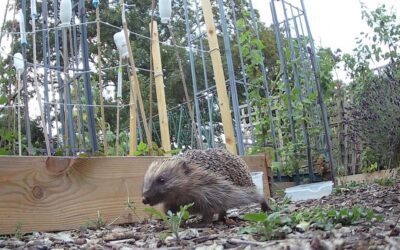
ECO Church News No. 151 – Remember Hedgehogs this November!
The British Hedgehog Preservation Society (BHPS) are asking everyone to Stop, Move and Check this November: Stop – do you need to have a bonfire this year? Can you attend a community event. The fewer bonfires there are, the fewer wildlife casualties there are too....
ECO Church News No. 150
Congratuations to the children from Barrow CEVC Primary School’s Advocates Club with their Blue Peter Eco Badges. Our actions make a difference risbyecochurch@gmail.com Barrow Benefice ECO ChurchRISBY ECO CHURCH ENVIRONMENT OFFICER
ECO Church News No. 149 Autumn – Clover Leaf Lawn Project part III
Clover seeds should be sown in early spring or early autumn when the soil is warm and damp for germination. Step-by-step guide: PreparationRemove any stones and weeds. Mow the existing grass as short as possible. This helps your clover seeds make good contact with the...
ECO Church News No. 148 Autumn – Clover lawn project
September is one of the best months for sowing grass seed, either for patches or a new lawn. I have a lot of patches, but I’m going to try clover seed. Although spring, after the frosts, is the best time for sowing clover, I’m going to try out a patch on my lawn, this...
ECO Church News No. 147 Gardening without Pesticides Part III
Pesticide Action Network UK (PAN) has compiled a gardening guide to dealing with some of the common garden pests, without using pesticides. Some of the examples they tackle are: aphids, apple scab, blight – tomato & potato, downy mildew, slugs, and white fly. We...
ECO Church News No. 146 Gardening without Pesticides Part II
The charity Pesticide Action Network UK (PAN) work on the principle of prevention, rather than cure. Using toxic chemicals kills not only the pest, but creates health hazards for the beneficial wildlife that play a part in controlling the pests in your garden. Here...
ECO Church News No.145 Gardening without Pesticides Part I
For the past three weeks we have talked about pesticides, climate change, and farming. I recently read an article about robots weeding acres of land in Kansas. So, anything is possible. Now we are moving onto our own gardens. The charity Pesticide Action Network UK...
ECO Church News No.144 Pesticides and Climate Change Part III
Last week we looked at agroecology - sustainable farming that works with nature. Agroforestry is a great example of agroecology. It is the practice of combining trees and farming. It demonstrates how food production and nature can co-exist. For example, grazing farm...
Message from Revd Lynda – August 2024
Life is full of comings and goings as people move from place to place for whatever reason. I recall when I was tracing my family tree, finding a long lost family member who, back in 1912, left the security of his home and all his family and friends to emigrate to New...
The Risbee Line
The Risbee Line is a bee flight corridor of gardens that support pollinators and other insects. Please take a look at the article in the Suffolk Life Magazine August edition below to read more about it.risbyecochurch@gmail.com Barrow Benefice ECO ChurchRISBY ECO...
ECO CHURCH NEWS NO. 143 – Pesticides and Climate Change Part II
Last week we examined the vicious cycle of pesticide use and intensifying climate change. This week we look at Agroecology - sustainable farming that works with nature. Agroecology promotes farming practices that; Mitigate climate change - reducing emissions,...
Revving Reverend
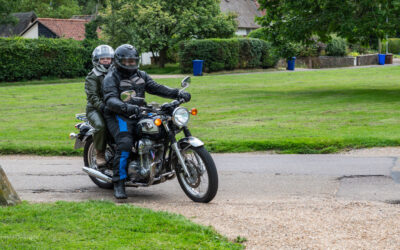
When a priest revealed that her bucket list included a pillion ride on a motorbike, little did she know that this would evolve into a grand adventure. The Reverend Lynda Sebbage, Rector and Assistant Rural Dean for the Thingoe Deanery, later described her throwaway...